Turning Waste Into Value
Every groundbreaking innovation, whether meticulously engineered or born from spontaneous creativity, contains stories waiting to be discovered: A Sustainable Solution for Used Cooking Oil.

Used Cooking Oil Waste Disposal Challenges
We create a machine that will solve all these problems.

1.Improper Disposal
Used cooking oil is often poured into drains, causing pipe blockages and environmental pollution.

2.Lack Of Structured Collection
No centralized, monitored system for communities to dispose of used cooking oil safely.

3. No Impact Reporting
No Impact Reporting Institutions struggle to track ESG impact and environmental contribution data.
1.Improper Disposal
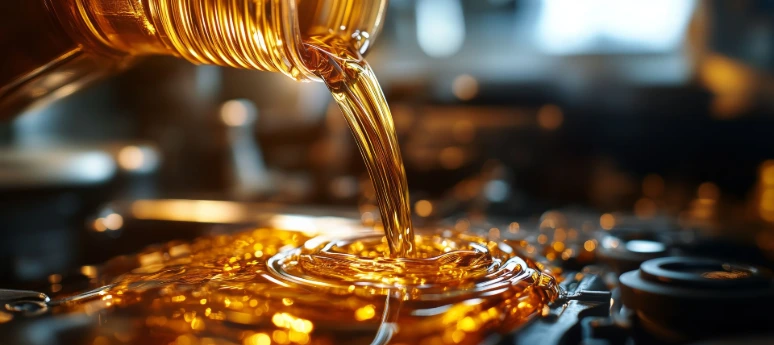
Used cooking oil is often poured into drains, causing pipe blockages and environmental pollution.
Across households, restaurants, and food businesses, used cooking oil is one of the most commonly generated kitchen wastes. Unfortunately, a large portion of this oil is still disposed of improperly—often poured directly into kitchen sinks, drains, or nearby soil. While it may seem like a convenient solution, this practice carries serious environmental and infrastructure consequences.
When used cooking oil enters the drainage system, it does not simply flow away. Instead, the oil gradually cools, thickens, and solidifies within pipes, sticking to the inner walls of plumbing systems. Over time, this buildup traps food particles and other debris, forming large blockages that restrict water flow. These blockages are a major contributor to clogged drains, sewer overflows, and costly maintenance work for municipalities and property owners.
Environmental studies have shown that just one litre of used cooking oil can contaminate up to 1,000 litres of water, affecting water quality and harming aquatic ecosystems. When oil enters rivers or lakes, it forms a thin layer on the water surface that reduces oxygen exchange, which can endanger fish and other aquatic life. In urban areas, this pollution also increases the burden on wastewater treatment facilities.
In Malaysia, where cooking with oil is a daily practice in homes, hawker stalls, restaurants, and food industries, the amount of used cooking oil generated each year is significant. Without proper collection and recycling systems, much of this oil ends up entering drainage networks or landfills, contributing to urban flooding, water pollution, and increased infrastructure maintenance costs.
Addressing the improper disposal of used cooking oil is therefore not only an environmental responsibility but also a critical step toward building cleaner, healthier, and more sustainable communities. By encouraging responsible disposal and introducing accessible collection solutions, communities can transform what was once a waste problem into a valuable resource for renewable energy and sustainable recycling initiatives.
Read More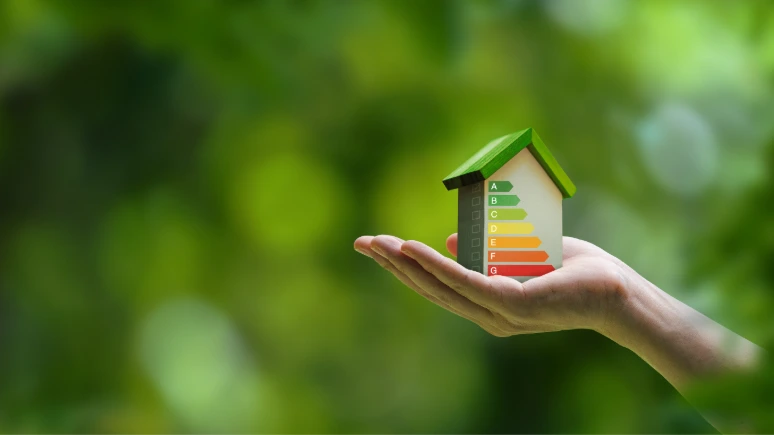
2.Lack Of Structured Collection
No centralized, monitored system for communities to dispose of used cooking oil safely.
Despite the growing awareness of environmental sustainability, many communities still lack access to a structured and convenient system for disposing of used cooking oil (UCO). Without proper collection infrastructure, households and small food businesses often resort to the easiest method—discarding used oil into drains, soil, or general waste.
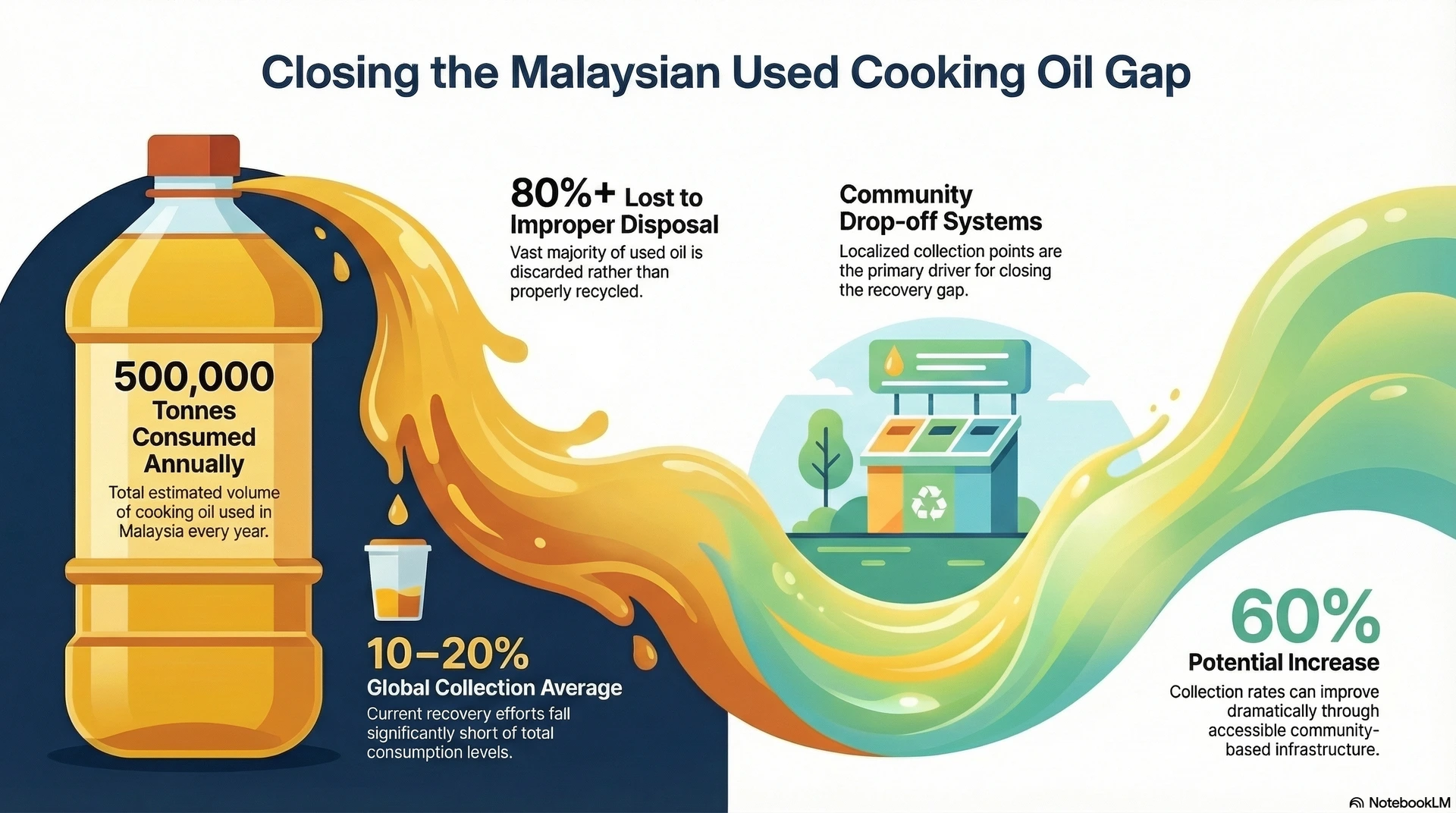
Globally, it is estimated that only about 10–20% of used cooking oil is properly collected and recycled, while the remaining majority is either discarded improperly or lost within the waste stream.
In Malaysia, the situation reflects a similar challenge. Although the country consumes over 500,000 tonnes of cooking oil annually, only a small portion of the resulting used cooking oil is systematically collected through formal recycling programs.
The absence of a centralized and monitored collection system creates several challenges:
- Households lack convenient disposal options
- Restaurants and small food vendors often manage waste independently
- Recyclable used cooking oil is lost as waste
- Environmental pollution continues to increase
Without a structured collection network, thousands of tonnes of used cooking oil that could otherwise be recycled into biodiesel or industrial raw materials are simply discarded every year.
However, research shows that community-based collection systems can increase used cooking oil recovery rates by up to 60%, especially when convenient drop-off points are provided within neighbourhoods.
This highlights the importance of establishing accessible, monitored, and community-friendly collection points where households can safely dispose of used cooking oil. By introducing structured collection infrastructure in locations such as mosques, schools, and community centres, communities can significantly increase recycling rates while reducing environmental pollution.
Read More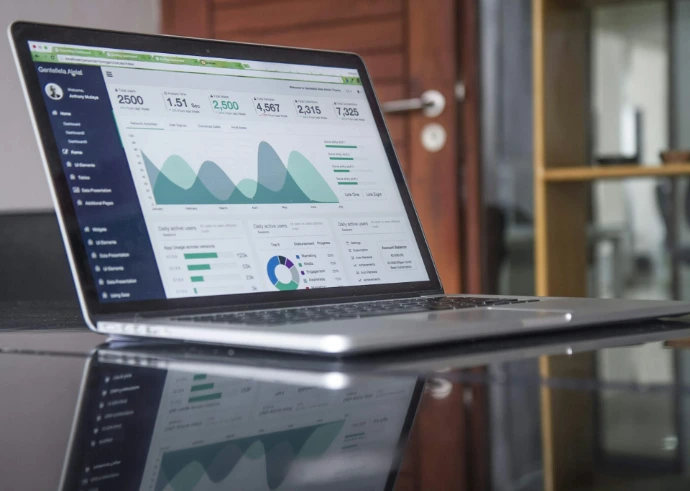
3. No Impact Reporting
No Impact Reporting Institutions struggle to track ESG impact and environmental contribution data.
Many institutions, organizations, and community programs are increasingly committed to environmental sustainability and ESG (Environmental, Social, and Governance) initiatives. However, one of the biggest challenges they face is the lack of reliable systems to measure and report environmental impact.
Without proper monitoring tools, institutions often struggle to track how much waste is being diverted, how much carbon emissions are reduced, or how their sustainability efforts contribute to broader environmental goals. As a result, many meaningful initiatives remain unrecorded and underreported, making it difficult to demonstrate measurable impact.
According to global sustainability reporting studies, over 60% of organizations implementing environmental initiatives report difficulties in collecting accurate ESG data. This challenge is especially common in community-based sustainability programs where waste collection and recycling activities happen across multiple locations.
In the case of used cooking oil recycling, the lack of structured reporting systems means that thousands of litres of collected oil may never be formally documented. Without proper tracking, institutions cannot accurately measure their contribution to environmental protection or communicate their impact to stakeholders, regulators, or the public.
For organizations working toward sustainability goals, data transparency and measurable results are increasingly important. Governments, investors, and communities now expect environmental initiatives to provide clear metrics and verified impact reports.
This highlights the importance of integrating monitoring and reporting systems into environmental programs. With proper data tracking, institutions can measure how much used cooking oil is collected, estimate carbon emission reductions, and clearly demonstrate their contribution to environmental sustainability.
Read MoreEnvironmental Impact in Numbers
The environmental impact of improperly disposed used cooking oil is far greater than many people realize. When waste oil enters drainage systems or natural waterways, it can cause severe pollution and infrastructure damage. The scale of the issue becomes clearer when we look at the numbers.
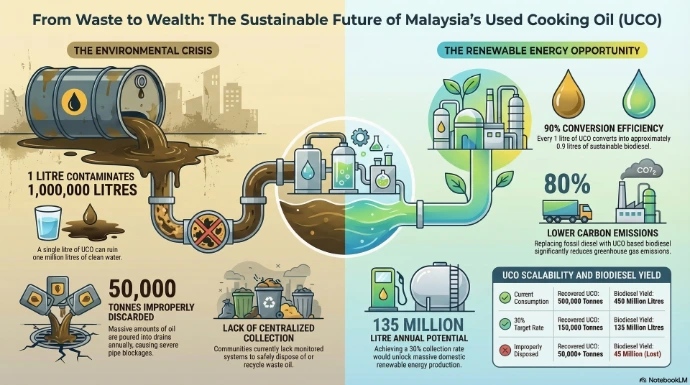
1 litre of used cooking oil can contaminate up to 1,000,000 litres of water, making it unsafe for ecosystems and difficult to treat for consumption.
Malaysia consumes an estimated 500,000 tonnes of cooking oil every year, generating a significant volume of waste cooking oil from households, restaurants, and food businesses.
Out of this amount, industry estimates suggest that more than 50,000 tonnes of used cooking oil are improperly disposed of annually, often entering drains, soil, or waterways.
When cooking oil enters sewage systems, it contributes to grease blockages responsible for up to 47% of sewer system failures in urban areas worldwide.
However, used cooking oil is not just waste—it is also a valuable resource. Through proper recycling processes, 1 litre of used cooking oil can produce approximately 0.9 litres of biodiesel, a renewable fuel that significantly reduces environmental impact.
Compared to conventional fossil diesel, biodiesel made from recycled cooking oil can reduce greenhouse gas emissions by up to 80%, supporting global efforts toward cleaner and more sustainable energy sources.
With proper collection systems in place, the waste cooking oil generated in Malaysia has the potential to produce hundreds of millions of litres of renewable biodiesel, transforming a common kitchen waste into a powerful contributor to the circular economy.
These numbers highlight a simple but powerful truth: when used cooking oil is properly collected and recycled, it can shift from being an environmental threat to becoming a valuable sustainable resource.
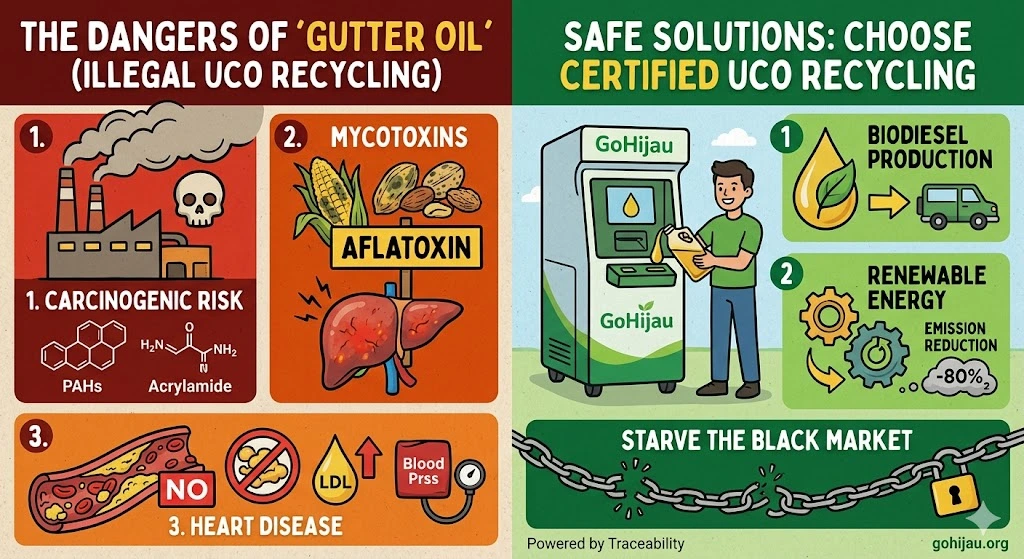
The Dark Side of Waste: How Illegal UCO Collection Threatens Your Health
When we think about Used Cooking Oil (UCO) disposal, we usually think about environmental problems—clogged kitchen sinks, nasty drain blockages, and polluted rivers. But there is a much darker, hidden side to improper UCO disposal that directly threatens human health: the illegal black market for recycled cooking oil.
In many parts of the world, irresponsible, unlicensed collectors steal or cheaply buy back waste oil. Instead of sending it to legitimate recycling facilities, they process it and illegally pump it back into the food supply. Here is why this practice is incredibly dangerous, and how structured collection systems are fighting back.
What is "Gutter Oil"?
When irresponsible collectors get their hands on UCO, they subject it to a crude, backyard chemical treatment. They filter out solid debris, use harsh chemicals to bleach the dark color away, and deodorize it to mask the rancid smell.
The resulting product looks like clear, fresh, usable cooking oil. It is then illegally resold at a fraction of the market price to unsuspecting restaurants, street hawkers, and food vendors.
The Severe Health Risks of Recycled UCO
Consuming food cooked in this black-market oil poses severe, life-threatening risks to human health. It is not just "unhygienic"—it is toxic.
1. High Carcinogenic Risk
When cooking oil is repeatedly heated to high temperatures, its chemical bonds break down. This degradation produces highly toxic compounds, including polycyclic aromatic hydrocarbons (PAHs) and acrylamide. These substances are known carcinogens; long-term consumption drastically increases the risk of developing stomach, liver, and colorectal cancers.
2. Lethal Mycotoxins (Aflatoxin)
Because illegal oil is frequently scavenged from highly unsanitary environments—like grease traps, drainage systems, or rotting food waste bins—it becomes a breeding ground for dangerous molds. One of the most prominent contaminants found in this oil is Aflatoxin, a potent mycotoxin. Aflatoxin is exceptionally toxic to the liver and is a leading cause of liver cancer.
3. Severe Cardiovascular Damage
The intense, repetitive heating of the oil alters its fat structure, creating a massive amount of trans fats and lipid peroxides. Consuming these regularly sky-rockets "bad" LDL cholesterol, damages blood vessels, clogs arteries, and significantly elevates the risk of heart attacks and strokes.
4. Acute Food Poisoning and Organ Toxicity
Because these backyard refinery operations lack quality control, sterilization, or safety standards, the oil often harbors dangerous bacterial pathogens and heavy metal residues. This can lead to severe gastrointestinal illnesses, abdominal pain, and progressive organ toxicity.
Starving the Black Market: A Circular Economy Solution
How do we stop these irresponsible collectors from poisoning our food systems? By making waste oil too valuable for them to buy.
This is where structured, transparent community collection systems come into play. When legitimate green initiatives introduce accessible solutions—like smart UCO collection machines placed in local neighborhoods, mosques, and community centers—they completely disrupt the illegal supply chain.
By offering households and businesses a safe, rewarding, and traceable way to dispose of their oil, we achieve two critical goals:
Starving the black market of its raw material, keeping toxic oil out of our kitchens.
Driving the circular economy by safely redirecting that waste to certified refineries, where it can be converted into clean, renewable biodiesel.
Protecting public health starts with knowing exactly where your kitchen waste goes. The next time you finish frying a meal, don't let your oil fall into the wrong hands—dispose of it responsibly through a verified, structured recycling platform.
Why Proper Used Cooking Oil Collection Matters
Proper management of used cooking oil is essential for protecting both the environment and public infrastructure. When disposed of correctly, used cooking oil can be transformed from a harmful waste into a valuable renewable resource.
Recycling used cooking oil helps reduce environmental pollution, prevents drainage blockages, and supports the production of sustainable biofuels. By implementing accessible collection systems within communities, waste oil can be diverted away from waterways and reused in environmentally responsible ways.
With increasing awareness about sustainability and circular economy practices, communities now play a crucial role in ensuring waste resources are properly managed.

Environmental Benefits
Proper collection and recycling of used cooking oil provides multiple environmental benefits:
- Protects water quality by preventing oil contamination in rivers and waterways
- Reduces sewer blockages caused by grease accumulation in drainage systems
- Supports renewable energy production through biodiesel conversion
- Lowers greenhouse gas emissions compared to fossil fuels
- Promotes a circular economy by turning waste into valuable resources
Community Impact
Community-based collection programs make it easier for households and small businesses to dispose of used cooking oil responsibly.
By placing collection systems in accessible locations such as mosques, schools, and community centres, communities can actively participate in environmental protection while contributing to sustainable resource recovery.
These initiatives not only reduce pollution but also help build environmental awareness and encourage responsible waste management practices among residents.
A Small Action with a Big Impact
Every litre of used cooking oil properly collected makes a difference.
Instead of entering drains and polluting waterways, that same litre can be recycled into biodiesel, supporting cleaner energy production and reducing environmental impact.
When communities work together to collect used cooking oil, small individual actions combine to create a large collective environmental impact.
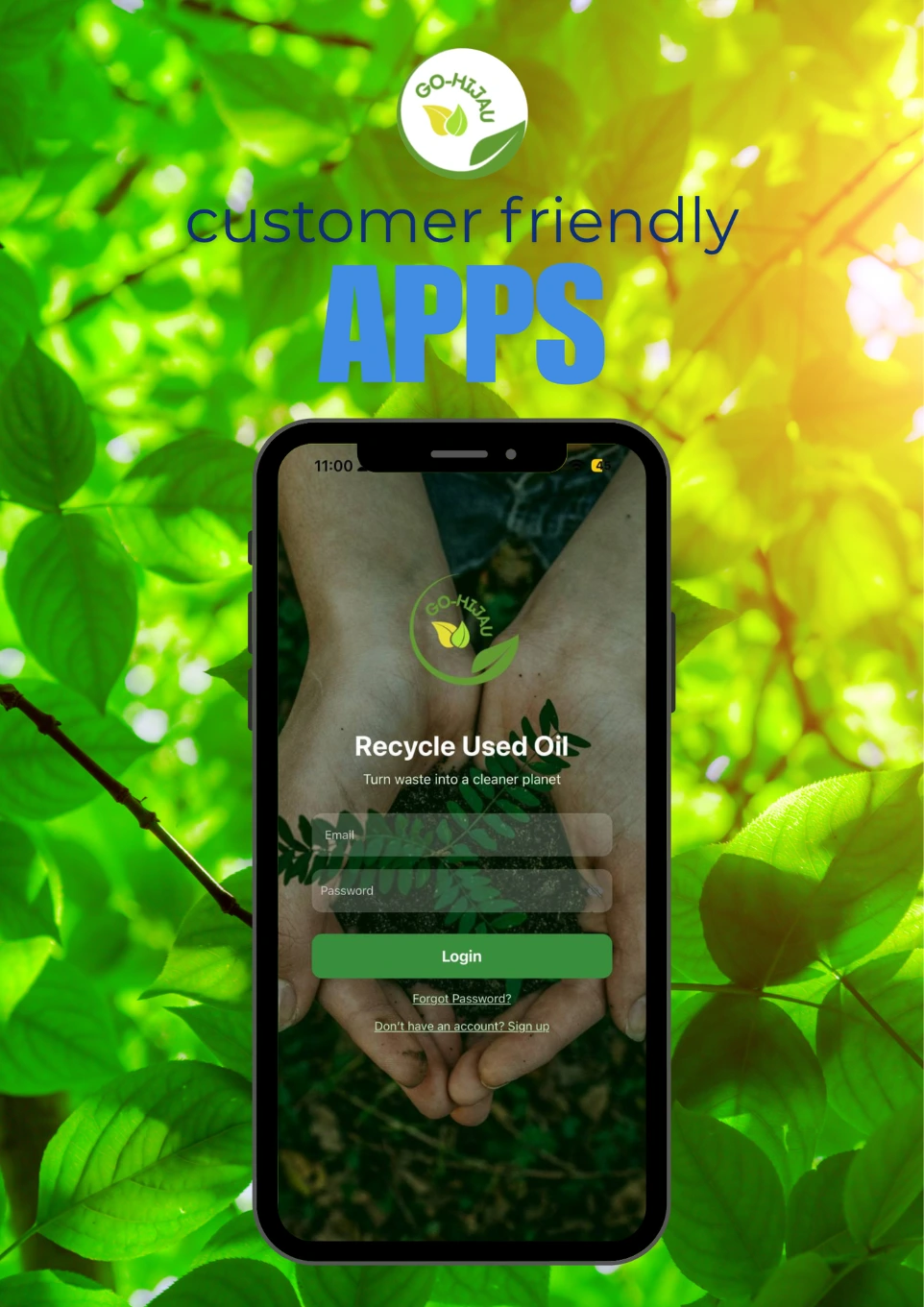
GoHijau Customer Friendly Apps
Download our Apps now and start earning from used cooking oil.
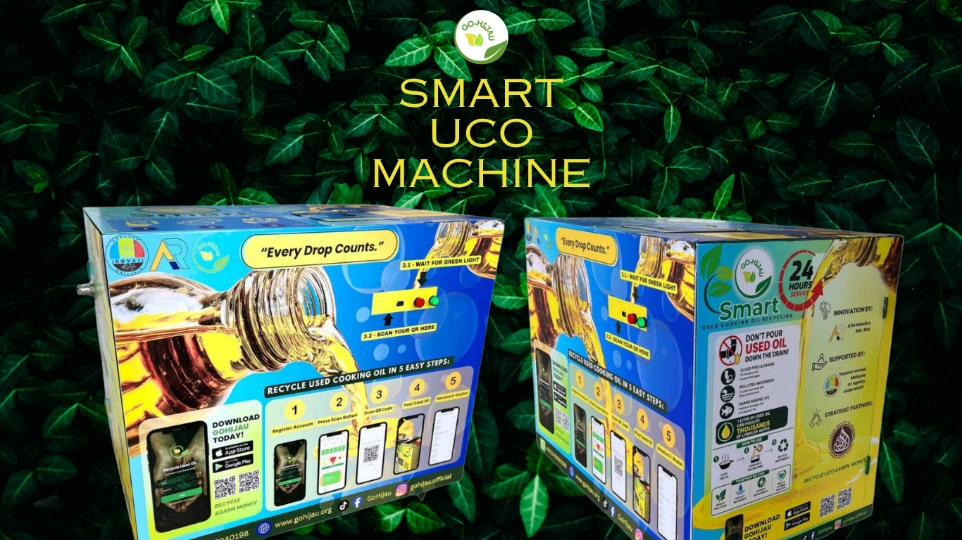
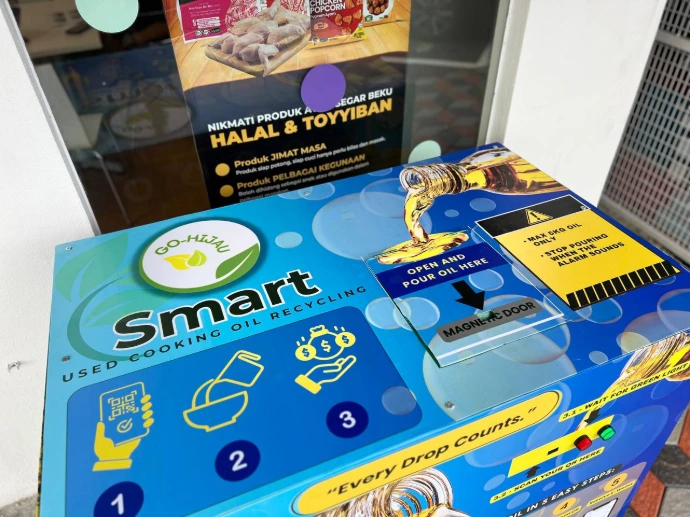
GoHijau Smart UCO Machine
Find your nearest GoHijau UCO Smart machine and pour your used cooking oil using the apps. Let's turn your waste into wealth.